
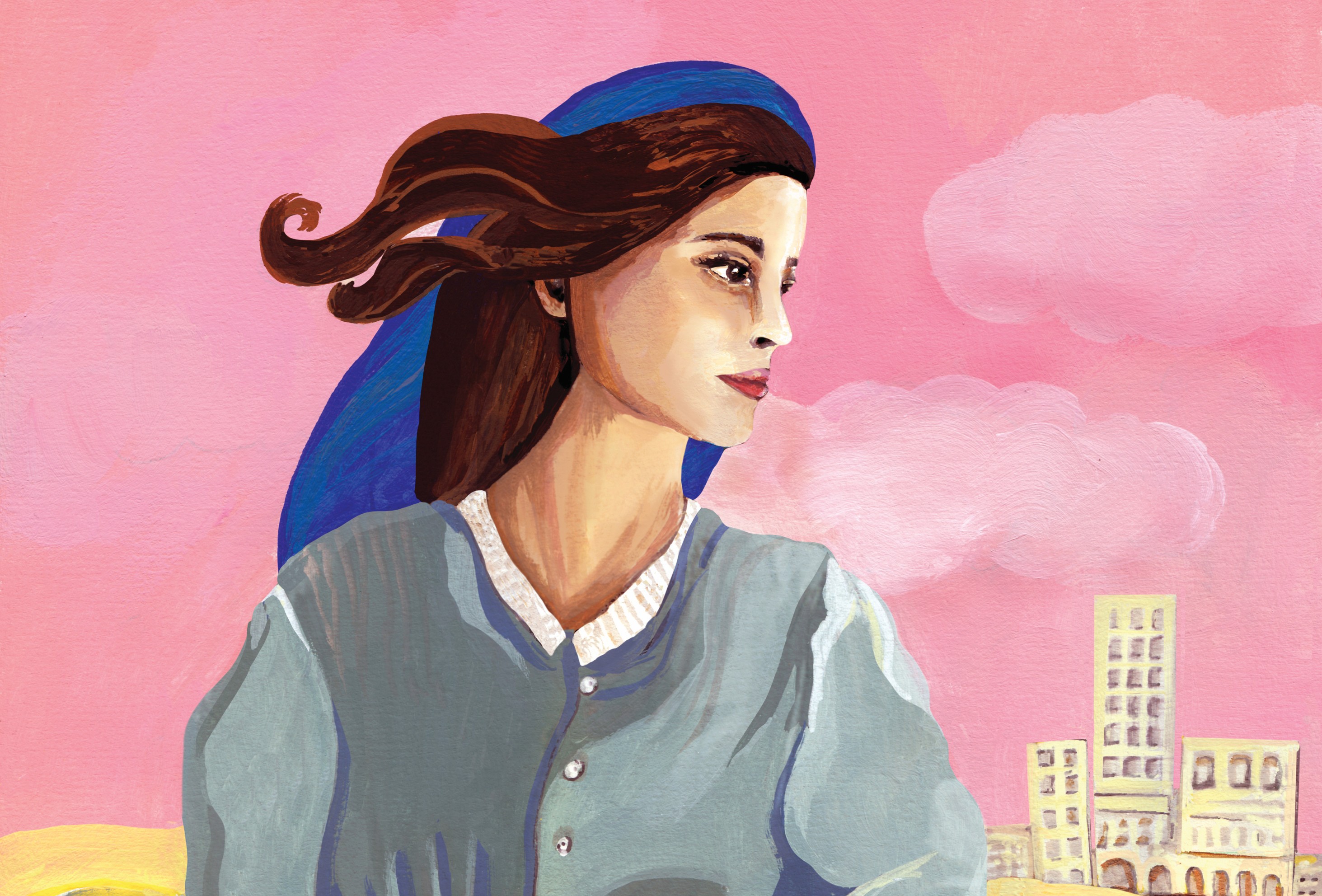
By Tabitha Brasso-Ernst
On May 16th at the Vancouver Playhouse, a new Canadian opera-oratorio receives its very first performance.
Jeffrey Ryan and Michael Lewis MacLennan have been writing music together for years. Their process is deliberate and collaborative from the first conversation — not a handoff between two separate disciplines, but a sustained joint inquiry into story, structure, and sound. Mother/Land, their opera-oratorio based on the Book of Ruth, is the largest work to emerge from that partnership so far, and on May 16th it receives its world premiere at the Vancouver Playhouse, performed by the Vancouver Bach Choir under conductor Leslie Dala, with four soloists and some of the finest instrumentalists in the city.
The piece has been in development for a number of years, moving through successive workshops and refinements before reaching its current form. It is now complete and fully orchestrated. The Vancouver Bach Choir, in its 95th season, is presenting the premiere.
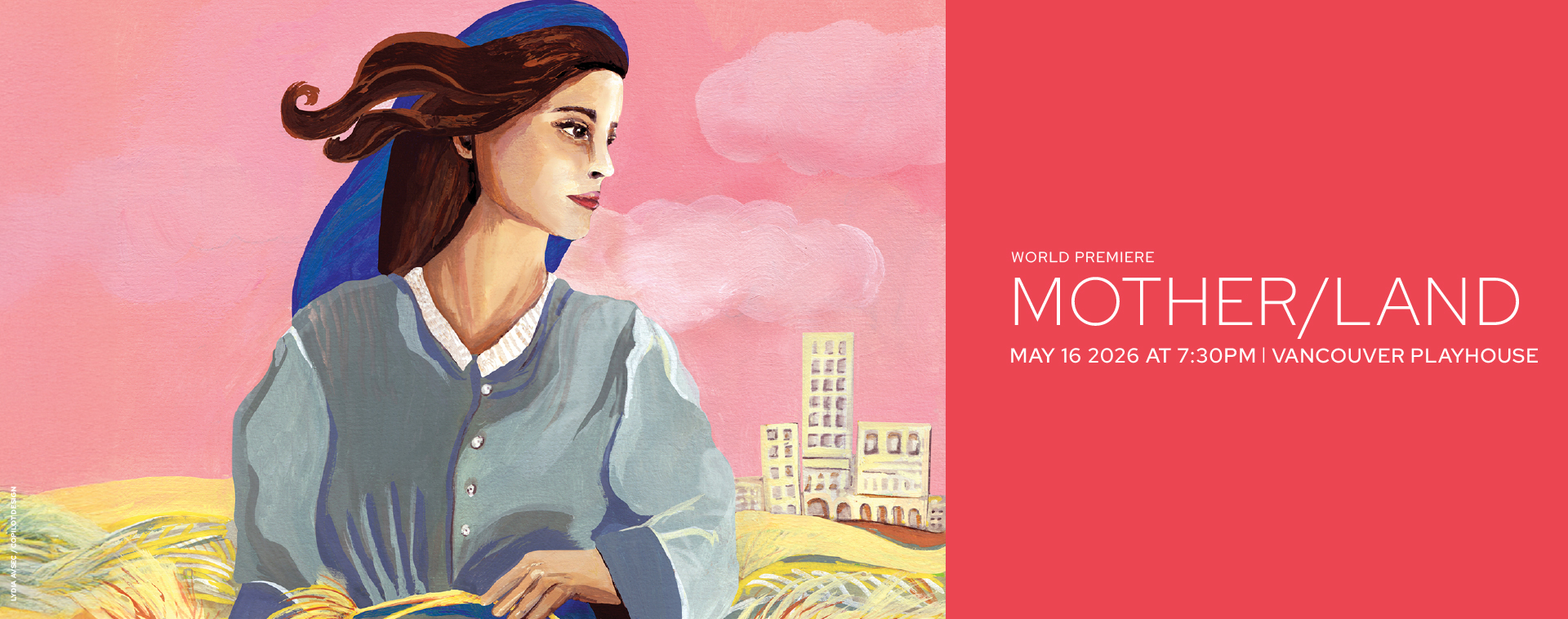
Official Mother/Land graphic courtesy of Copilot Design.
How the Work Is Made
Ryan describes a collaborative process that starts well before any music or libretto exists on paper.
“Michael, in part as a playwright, but in part also coming from TV and movie world, starts with a treatment — there’s like a one page of basically what is this story about. And then breakdown of the scenes. And what are the emotional beats of each scene. And so he came up with that and then we would meet again and go through that together so that I understood what he was thinking in terms of the story beats and I could give feedback — ‘what about this, what about this?’ And then we have this deep conversation about this story before any of the libretto has been written and before any music has been written.”
By the time MacLennan writes the libretto, Ryan is already thinking musically. “When it’s time to write notes on the staff paper,” he says, “so much of it is already conceived musically in my head.”
From there, the work moves through workshops — first on the libretto alone, with singers reading the text aloud before any music is written, then on early scenes with piano, then on larger sections as they are completed. Each stage serves a purpose. Ryan notes that workshops reveal where a singer consistently stumbles, which is useful information: “It’s probably something that I put on the page that isn’t making sense. And so those are the spots where I can adjust. I can change the rhythm or the metre or whatever, to make that lock in place better.”
MacLennan, a two-time Governor General’s Award nominee and the only playwright to have won the Herman Voaden National Playwriting Award twice, approaches opera with experience across multiple forms — he is also best known as the screenwriter and producer behind Queer as Folk and Bomb Girls. Writing for opera, he says, has its own logic: “Like poetry, it’s written to be spoken and heard. There’s an element of compression. And of course they all succeed or fail to the degree that they foster emotion in the audience.” He is clear about where the weight ultimately falls: “While opera is the perfect melding of words and music, it’s the music that is paramount.”
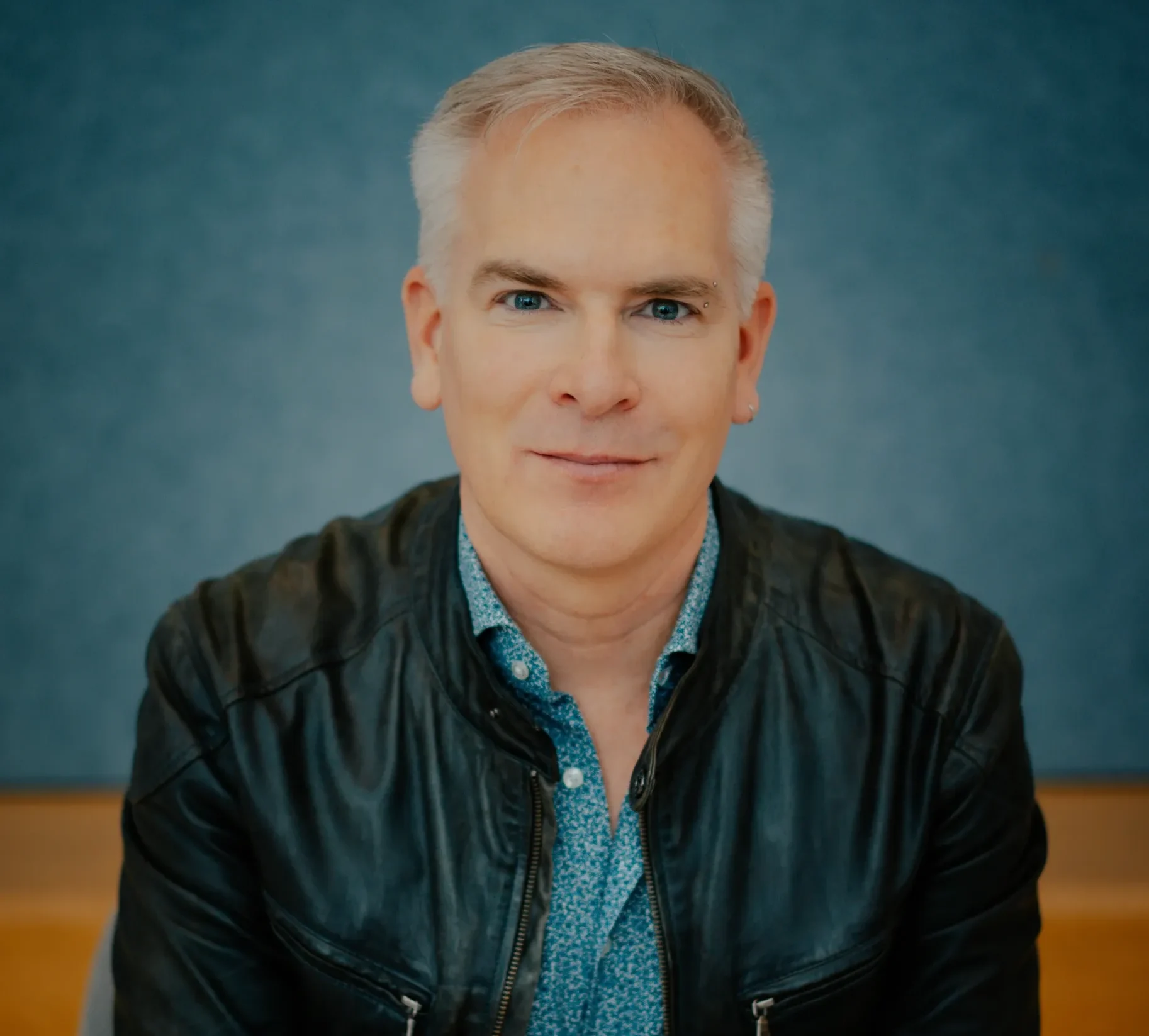
Michael Lewis MacLennan. Photo courtesy of Michael’s website.
The Source Material
The Book of Ruth is one of the shortest books in the Hebrew Bible. MacLennan and Ryan approached it not as devotional text but as myth — the same way, MacLennan notes, they approached the story of Apollo and Daphne in their earlier opera The Laurels.
“From the start, Jeff and I knew what a loaded thing it would be to use the Bible as source material. People have many preconceived notions about who this sacred text is for, and what it means to engage with its ideas. Still, we approached it as a mythic source.”
Two things drew MacLennan to the Book of Ruth specifically. The first is its density: “Despite it being one of the Bible’s shortest books, it holds breathtaking scope, with powerful story turns and timeless emotional stakes, told in a human scale that fits the kind of opera that Jeff and I make.”
The second is a question of whose story it actually is. “Even in the source material, Ruth is not the first main character of the story — Naomi is.” Naomi is the older widow, the one who returns to Bethlehem after losing her husband and sons, and whose journey — from a hardened relationship with her own faith toward something like healing — shapes the entire arc. “I’m interested in how Naomi’s loss and return of faith is a key contributor to the story’s events.”
At the centre of the opera is a Hebrew concept MacLennan returns to throughout: chesed, usually translated as loving-kindness. It is the quality Ruth shows Naomi in staying with her, that Boaz shows Ruth in choosing to protect her, and that the wider community must eventually extend. The dramatic arc of Mother/Land traces how chesed expands — or fails to, and then does.
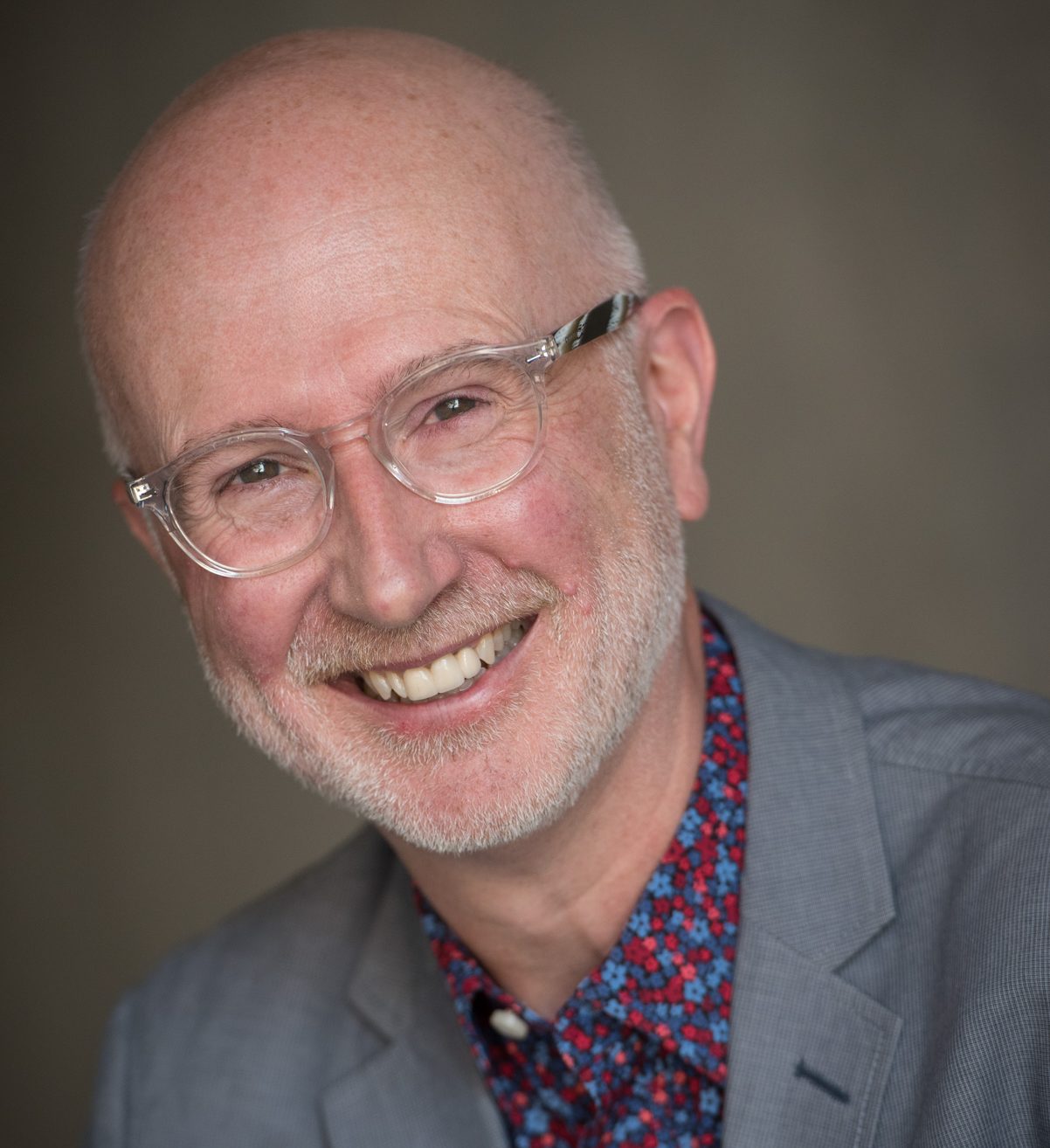
Jeffrey Ryan. Photo courtesy of Wendy D. Photography and Jeffrey Ryan.
Indeed Our Only Hope
MacLennan identifies three structural turning points in the work.
The first is Ruth’s: “her heart-wrenching moment of despair when she chastises herself for harbouring the foolish hope that she might receive Boaz’s mercy, giving voice to how she’s been broken down by the immigrant experience.”
The second belongs to Naomi: “her own turn toward healing — with her god, yes, but also within herself — a powerful dramatization of the gift of faith, in whatever form.”
The third is the community’s: “the community’s turn from operating from a place of hatred and xenophobic violence, to compassion and even celebration of ‘the other’ — that is a kind of redemption that has the power to heal not only Ruth’s broken heart, but the wider world.”
Shaping the character of Boaz was one of the more demanding tasks in development. As written in the source text, he risks reading as a straightforward male saviour. The creative team addressed this directly: “We looked at Boaz as more a metaphorical archetype than a knight in shining armour; secondly, we ‘blew up’ the ending to focus more on the community’s apotheosis; and finally, we ramped up the drama of the final scene to create suspense, emotion and a climactic exchange that involved the whole ensemble.”
MacLennan situates the story in a specific historical context from the source text itself — the Book of Ruth is set during “the time of the judges — a period where lack of meaningful leadership led to tribal disunity, idolatry, and oppression.” He observes: “We wish it weren’t so. But my gosh that sounds woefully familiar.”
“The story of the immigrant experience — with its conflicts and justifications and difficulties — has not changed in millennia,” he adds. “And while the story doesn’t shy away from the difficulties of expanding our hearts, it seems to argue that it is indeed our only hope.”
The Vancouver Bach Choir
The choral writing itself required very little adjustment. “It would be analogous to finding a gown that you really, really liked, and it just needed the tiniest alterations to be absolutely perfect for you. That’s what it was.”
As an oratorio rather than staged performance, Mother/Land calls for a larger choral force than a fully produced opera would use — the Vancouver Bach Choir’s scale suits the work well.
Leslie Dala, now in his sixteenth season as Music Director of the Vancouver Bach Choir, also serves concurrently as Associate Conductor and Chorus Director of Vancouver Opera. His conducting career includes work at the Canadian Opera Company, the Santa Fe Opera, l’Opéra National du Rhin, and Carnegie Hall. His tenure with the Vancouver Bach Choir includes the Canadian premieres of John Adams’ El Niño and Steve Reich’s You Are Variations and Daniel Variations, as well as the world premieres of The Overcoat and Stickboy, among other new works.
Ryan on Dala: “He loves stuff like this. He loves pioneering this kind of stuff.”
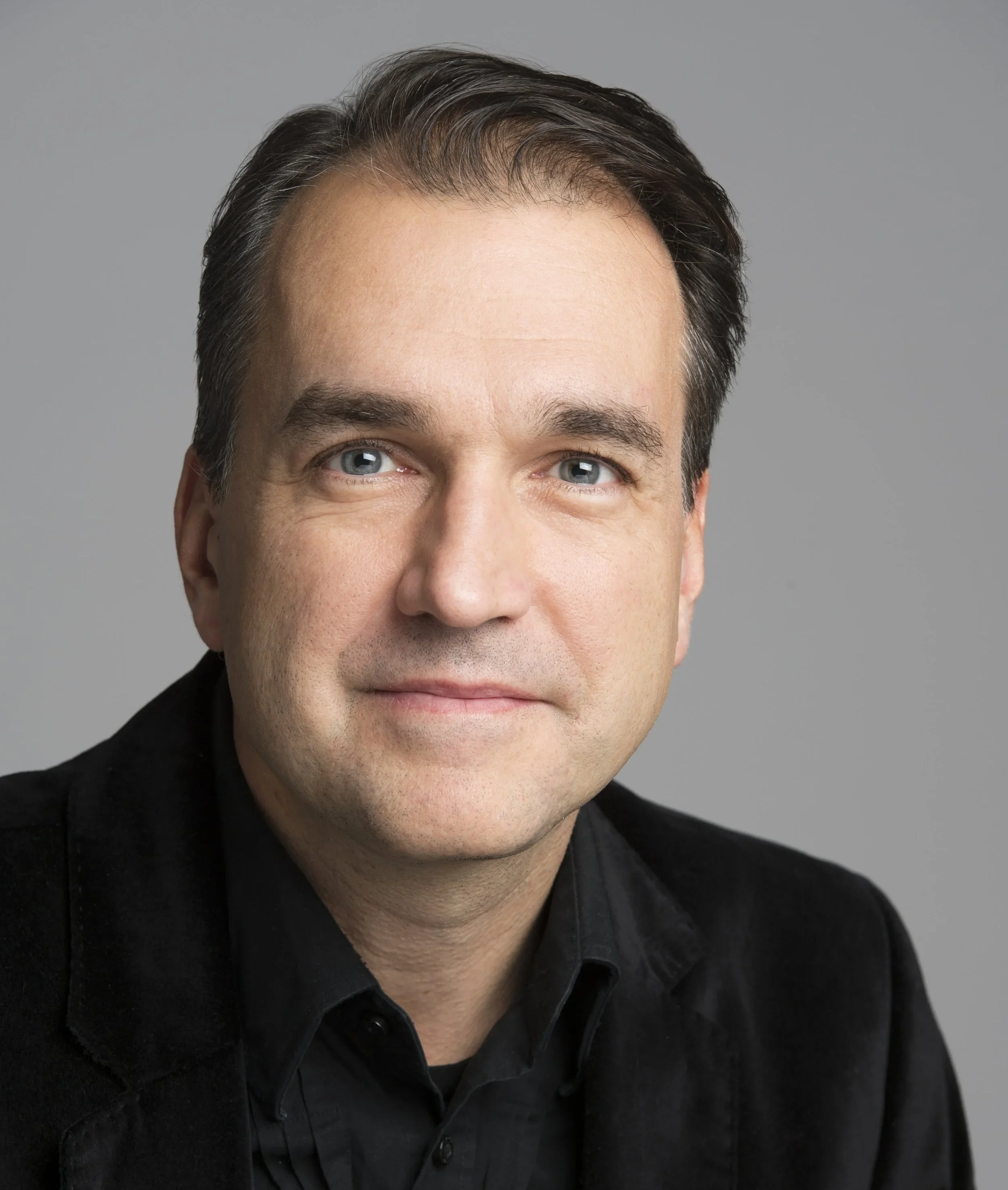
Leslie Dala. Photo courtesy of Leslie Dala.

Heidi Duncan, Simran Claire, Krisztina Szabó, and Luka Kawabata. Photos courtesy of the above.
On Home
Mother/Land takes its themes — displacement, loyalty, belonging, community — from a text that is thousands of years old. Ryan, who has lived in Vancouver for over twenty years and considers himself firmly a Vancouver composer, was asked what home means to him.
“We have multiple homes. I grew up in Fergus, Ontario, and that is, there is a sense of home for me there. And now that my dad is gone and my mom is in a long-term home somewhere else, it is the weirdest feeling that I now have no reason to be in Fergus. And so that sense of home is a memory of home.”
He adds: “Vancouver is home for me now. I’ve been here longer than I’ve been in any other place.”
And, of this premiere: “People love to come out to support Les and the Bach Choir — and so I think this seems like a perfect collaboration.”
The world premiere of Mother/Land by Jeffrey Ryan and Michael Lewis MacLennan takes place Saturday, May 16, 2026 at 7:30 PM at the Vancouver Playhouse, 600 Hamilton St, Vancouver. Featuring the Vancouver Bach Choir, Members of the VBFC Chamber Ensemble, and soloists Krisztina Szabó, Heidi Duncan, Simran Claire, and Luka Kawabata, conducted by Leslie Dala. Tickets $20–$45 at showpass.com/motherland-world-premiere.